Inquiry
Form loading...
Choosing the right Cleaners Vacuum for wholesale requires more than comparing suction power and carton prices. Buyers must examine operating conditions, user habits, maintenance access, and expected service life. A machine used in hotels faces different demands from one used in offices, warehouses, or retail stores.
Grand View Research reported that the global vacuum cleaner market was valued at approximately USD 10.45 billion in 2023. Its analysis also projects continued growth through 2030, driven by hygiene awareness, commercial demand, and improved equipment design. These figures show strong market potential, but they do not guarantee that every model suits wholesale customers. Product fit matters more than market size.
Energy performance deserves attention. The U.S. Environmental Protection Agency explains that ENERGY STAR-certified commercial products can reduce operating costs when selected and maintained properly. Buyers should therefore request measured energy data, noise ratings, filtration details, and replacement-part availability. A low purchase price can become expensive when filters clog quickly or batteries fail after repeated shifts.
The International Sanitary Supply Association also emphasizes training, productivity, and consistent cleaning procedures across professional operations. A practical wholesale evaluation should include floor trials, cable testing, dust-bin inspection, and technician feedback. Small details matter. A heavy vacuum may look powerful, yet exhaust a cleaner during a long corridor shift.
Some decisions remain imperfect. Supplier claims may use different testing methods, making direct comparisons difficult. This guide uses industry reports, technical specifications, and real-use considerations to build a more reliable purchasing framework. The goal is simple: select Cleaners Vacuum products that balance performance, durability, compliance, and total ownership cost.
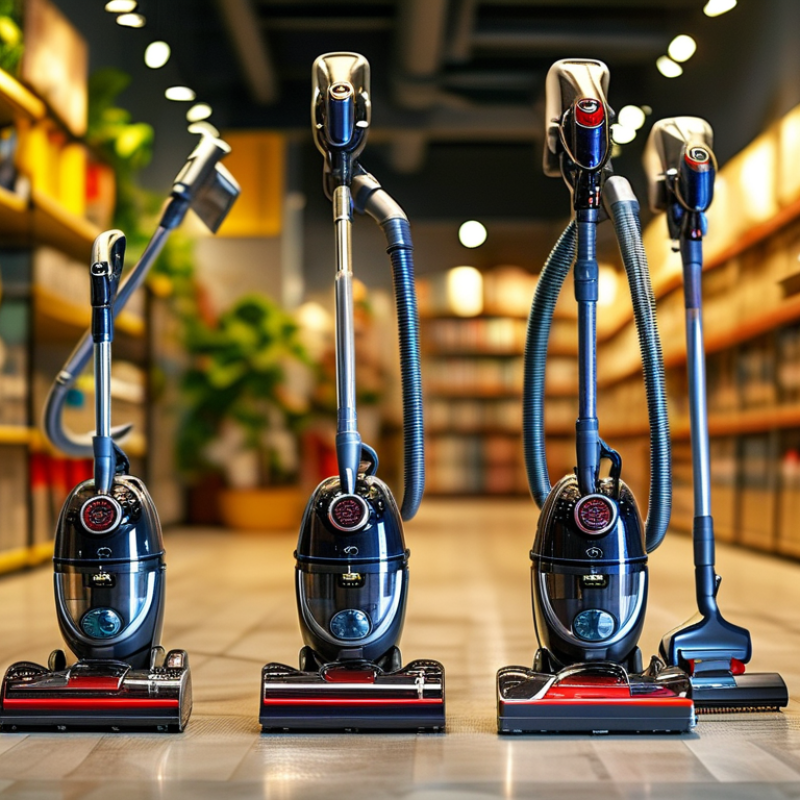
Choosing the best cleaners vacuum for wholesale starts with the cleaning environment, not the lowest unit price. Floor type sets the machine’s basic design. Smooth concrete may need strong dust pickup and wide coverage. Carpeted facilities require agitation, airflow, and filtration that protect fibers. Mixed sites need practical height adjustment and useful attachments. Ask buyers where the vacuum will work each day. A showroom test can reveal details that a specification sheet misses. Watch how easily it turns around shelves and narrow aisles. Experience matters here. Some models look powerful but become awkward after several hours.
Cleaning volume also changes the buying decision. A small office may need one compact vacuum for short daily passes. A warehouse, hotel, or school may require several units with larger containers. Estimate square meters cleaned per shift, debris levels, and operator changes. Then examine an eight-hour duty cycle. The vacuum should manage repeated starts, long cable or battery demands, heat, and filter loading. It should also limit uncomfortable vibration. Ask for tested operating data, service intervals, replacement-part availability, and realistic noise readings. “Heavy duty” is not enough evidence. Request proof.
Tips: Compare output per hour, not suction alone. Test a full shift with the intended floor tools. Check emptying time with gloves on. Test it properly. Leave room for unexpected dirt and rushed handovers. I once underestimated filter cleaning time, and the schedule suffered. That mistake deserves a place in the purchasing calculation. Record operator feedback after one week, because first impressions can mislead.
| Floor Type | Typical Cleaning Environment | Recommended Vacuum Category | Recommended Tank or Bag Capacity | Useful Suction Range | Recommended Airflow Range | Practical Cleaning Productivity | 8-Hour Duty-Cycle Requirement | Filtration and Accessories | Wholesale Volume Guidance |
|---|---|---|---|---|---|---|---|---|---|
| Hard Floors | Retail stores, offices, corridors, schools, and smooth commercial floors with dust and loose debris. | Commercial dry canister vacuum or compact backpack vacuum. | 15–25 L bag or dust container for routine daily cleaning. | 15–22 kPa | 50–70 L/s | 300–600 m² per hour, depending on obstacles and operator movement. | Use a commercial motor rated for repeated operation, thermal overload protection, and replaceable filters. Plan short inspection and emptying intervals during the shift. | Combination floor tool, hard-floor brush, crevice tool, washable pre-filter, and optional high-efficiency exhaust filter. | Suitable for medium-volume orders serving offices, retail chains, schools, and property-management contractors. |
| Low-Pile Commercial Carpet | Hotels, offices, conference centers, retail spaces, and public buildings with frequent dry soil accumulation. | Commercial upright vacuum or wide cleaning-head canister vacuum. | 10–20 L bag or dust container. | 18–25 kPa | 45–65 L/s | 400–800 m² per hour with a cleaning path of approximately 30–45 cm. | Select a unit with a continuous-duty motor, brush-roll protection, replaceable carbon brushes where applicable, and a serviceable belt or drive system. | Height-adjustable brush roll, powered carpet head, sealed dust path, spare bags, and edge-cleaning capability. | Suitable for high-volume wholesale programs because carpeted facilities generally require frequent vacuuming and replacement consumables. |
| High-Pile Carpet and Rugs | Hospitality areas, residential common spaces, premium offices, and carpeted zones with dense or uneven fibers. | Heavy-duty upright vacuum with adjustable brush height or a commercial canister with powered head. | 15–25 L bag or dust container. | 20–28 kPa | 45–70 L/s | 250–500 m² per hour because resistance and slower operator movement reduce coverage. | Prioritize motor cooling, brush-roll overload protection, durable wheels, and easy access to the drive belt and brush assembly. | Adjustable-height powered brush, larger wheels, sealed filtration, upholstery tool, and wand extension. | Recommended for specialized commercial orders rather than entry-level bulk purchases due to higher component and service requirements. |
| Wet and Dry Hard Floors | Workshops, warehouses, food-service back areas, garages, construction cleanup, and spill-prone facilities. | Commercial wet-and-dry vacuum with a float shut-off system. | 30–70 L tank for larger facilities and high debris volume. | 20–30 kPa | 55–80 L/s | 500–1,000 m² per hour for open areas, with actual performance affected by liquid volume and debris type. | Choose a robust tank, corrosion-resistant components, float protection, drain hose, thermal protection, and a motor designed for repeated cycles. Do not operate in wet mode without the correct filter configuration. | Wet floor nozzle, dry floor tool, squeegee head, drain hose, washable foam or cartridge filter, and large rear wheels. | Well suited to high-volume wholesale orders for industrial cleaning contractors and facilities with mixed dry and liquid waste. |
| Fine Dust and Powder | Manufacturing areas, renovation sites, workshops, laboratories, and facilities handling fine mineral or process dust. | Industrial dust extractor or high-filtration commercial vacuum. | 25–50 L container or long-life dust bag system. | 22–30 kPa | 55–80 L/s | 200–500 m² per hour, depending on dust concentration and source capture requirements. | Use continuous-duty cooling, automatic or manual filter cleaning, differential-pressure monitoring, and a sealed housing. Match the unit to the dust hazard assessment before purchase. | H13 HEPA filtration may provide at least 99.95% efficiency at the most penetrating particle size when correctly tested; use antistatic hose and certified hazardous-dust accessories where required. | Best for professional or industrial wholesale channels. Include replacement filters and bags in the purchasing plan. |
| Stairs, Seats, and Tight Areas | Public transport, cinemas, hotels, schools, offices, stairwells, and furniture-heavy interiors. | Lightweight backpack vacuum or compact canister vacuum. | 5–12 L bag or dust container to reduce operator fatigue. | 15–24 kPa | 40–65 L/s | 150–350 m² per hour, depending on stairs, seating density, and accessories used. | For an 8-hour shift, prioritize low harness pressure, balanced weight distribution, low vibration, ergonomic hose routing, and replaceable power cords or batteries. | Adjustable harness, flexible hose, upholstery tool, crevice tool, stair nozzle, and high-efficiency exhaust filtration. | Suitable for recurring medium- to high-volume orders where operator mobility and reduced cleaning time are more important than tank size. |
| Large Warehouses and Open Areas | Distribution centers, logistics hubs, parking structures, airports, and large commercial spaces. | Wide-path industrial vacuum, ride-on sweeper-vacuum, or centralized vacuum system. | 40–100 L debris hopper or collection container. | 22–32 kPa | 65–100 L/s | 800–2,000 m² per hour for open areas, depending on machine width and traffic conditions. | Require continuous-duty components, high-capacity cooling, durable casters or drive wheels, long power cables, and service access designed for daily commercial use. | Wide floor head, large debris intake, washable primary filter, optional automatic filter cleaning, warning indicator, and long-reach hose. | Recommended for large-volume wholesale tenders and fleet purchases where labor productivity and downtime have a major cost impact. |
| Battery-Powered Multi-Floor Cleaning | Sites where low noise, cable-free operation, or rapid movement between rooms is important. | Commercial cordless upright, canister, or backpack vacuum with replaceable battery packs. | 5–20 L bag or dust container. | 15–25 kPa | 40–70 L/s | 250–600 m² per hour, depending on power mode, floor type, and battery changes. | A single battery rarely supports a full 8-hour shift at maximum power. Plan two or more swappable battery packs per operator, a commercial charger, charge rotation, and a battery management process. | Replaceable battery, battery-level indicator, low-noise floor head, washable pre-filter, spare filter, and charger suitable for the planned fleet size. | Useful for medium- and high-volume fleet orders when the buyer values mobility and reduced cable hazards. |